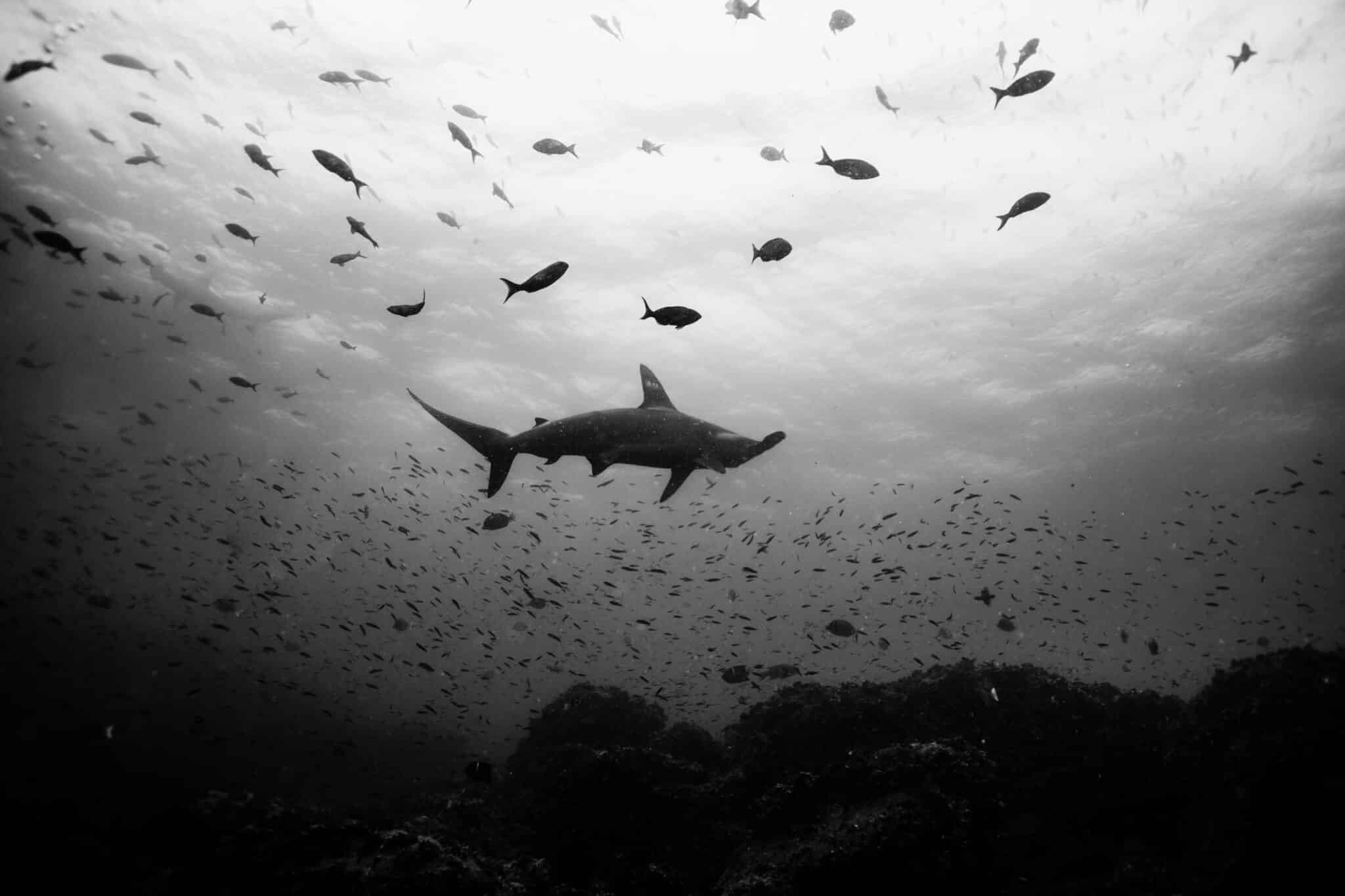
The Best Shark Diving in the World
Sharks are one of the most misunderstood animals on the planet. Despite being feared by more than half of Americans, they don’t even make the list of the world’s ten deadliest animals. Their reputation has been shaped more by Hollywood than by reality.
Thankfully, within the diving community, sharks are mostly admired rather than feared. Divers travel thousands of miles for the chance to encounter these incredible animals, and many become passionate advocates for their protection.
If diving with sharks is on your bucket list, here are eight of the best destinations in the world to experience them.
This list is in no particular order, as each destination offers something unique. I’ve also noted which locations offer shark feeding dives where applicable.
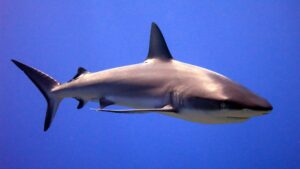
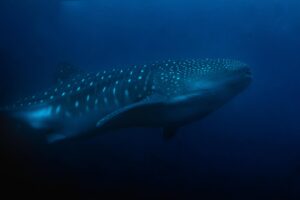
photo from Wikipedia
Galapagos Island, Ecuador
If schooling hammerheads are your dream, the Galápagos should be high on your list.
The remote islands of Darwin and Wolf are home to one of the world’s largest aggregations of scalloped hammerhead sharks. Accessible only by liveaboard, these sites are best suited to experienced divers due to strong currents and demanding conditions.
An estimated 500 resident hammerheads live around the islands, with schools of 200 or more commonly seen on a single dive. Alongside them, you’ll often encounter Galápagos sharks, silky sharks and reef sharks.
What makes the Galápagos truly special, however, is the seasonal arrival of whale sharks. During the summer months, it’s entirely possible to spend one dive watching endless schools of hammerheads before turning around to find a whale shark gliding past. It’s one of those places where you genuinely need to keep your head on a swivel.
Click here for our Galapagos trip
The Bahamas
The Bahamas became a shark sanctuary in 2011, protecting sharks throughout its waters. The result is a thriving population that can be seen on everyday reef dives.
Expect regular encounters with Caribbean reef sharks, nurse sharks and oceanic whitetips in certain areas. Seeing sharks patrolling healthy reefs has become a normal part of diving here.
The Bahamas is also famous for its professional shark feeding dives. Operators use scent bags and bait boxes to attract sharks into open sandy areas, allowing divers to observe them safely from the seabed.
Two locations stand out:
- Tiger Beach for its enormous tiger sharks.
- Bimini for seasonal great hammerhead encounters.
This destination offers organised shark feeding dives.
Click here for our Bahamas trip
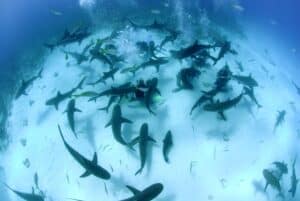
photo from Stuart Cove
Socorro Islands, Mexico
Located around 400 kilometres off Mexico’s Pacific coast, Socorro is one of the world’s premier destinations for pelagic diving.
Only accessible by liveaboard, this protected marine reserve attracts up to 12 shark species, including whale sharks, tiger sharks, silky sharks and hammerheads.
The nutrient-rich waters created by deep ocean currents make Socorro a magnet for marine life. While many people visit for its famous giant manta rays, the shark encounters are equally spectacular, particularly during the winter dive season when tiger shark sightings become more common.
Cocos Island, Costa Rica
Nicknamed “Shark Island”, Cocos sits approximately 36 hours by boat from mainland Costa Rica.
This UNESCO World Heritage Site is a fully protected marine sanctuary and is famous for its enormous schools of hammerhead sharks.
One of the most unique experiences here is the famous whitetip reef shark feeding frenzy night dive, where dozens of sharks hunt together in remarkable synchrony.
As an added bonus, Cocos Island also served as one of the inspirations behind Jurassic Park.
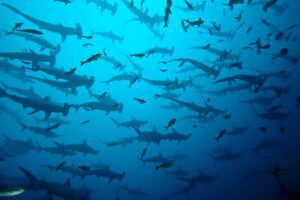
photo from bucket list travels
French Polynesia
French Polynesia consists of 118 islands and atolls, many of which boast exceptionally healthy shark populations.
Each island offers something different.
Bora Bora is perfect for relaxed dives with blacktip reef sharks, lemon sharks and even baby sharks in shallow lagoons.
Rangiroa is renowned for exhilarating drift dives through the Tiputa Pass, where strong currents bring in large numbers of reef sharks, alongside occasional hammerheads and tiger sharks.
Fakarava is often referred to as the “Wall of Sharks”, Fakarava’s South Pass is home to one of the most extraordinary shark aggregations on Earth. Instead of schooling hammerheads, you’ll witness thousands of grey reef sharks cruising together through the channel. It’s a truly unforgettable sight and one every shark lover should experience.
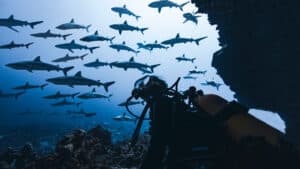
Photo from yachting world
South Africa
South Africa has long been synonymous with great white sharks.
While great white cage diving once dominated the region, sightings have unfortunately declined significantly in recent years as local populations have changed.
Fortunately, South Africa still offers world-class shark diving elsewhere.
Aliwal Shoal and Protea Banks are famous for regular encounters with tiger sharks and bull sharks (known locally as Zambezi sharks), alongside oceanic blacktips and other species.
Many of the traditional cage diving operators still run trips, although bronze whaler sharks are now more commonly encountered than great whites.
If seeing a great white shark is your primary goal, Bluff in New Zealand and South Australia currently offer more reliable opportunities.
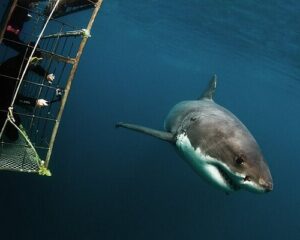
Photo from TripAdvisor
Palau
Palau made history in 2009 by establishing the world’s first shark sanctuary.
Since then, shark populations have flourished throughout the region.
Divers regularly encounter reef sharks, blacktip reef sharks, whitetip reef sharks, leopard sharks, tiger sharks and bull sharks.
One of Palau’s most iconic dive sites is Blue Corner. Strong currents mean divers hook onto the reef using reef hooks and watch an endless procession of sharks cruising past before releasing and drifting through the channel. Even the safety stop is memorable, often spent hovering above sleeping whitetip reef sharks.
While sharks can be seen year-round, stronger currents generally bring even larger numbers.
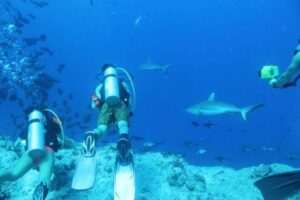
Photo from USC Dornsife
Malapascua, Philippines
If you’ve ever wanted to see a thresher shark, Malapascua is the place to go.
These elegant sharks are instantly recognisable thanks to their incredibly long, whip-like tails and calm, graceful behaviour.
Most dives leave between 4:00 am and 5:00 am, arriving at Monad Shoal before sunrise. Thresher sharks naturally live in waters deeper than 600 metres, but each morning they rise into recreational diving depths to visit cleaning stations, allowing divers a rare opportunity to observe them up close.
Reliable encounters have made Malapascua one of the world’s most unique shark diving destinations.
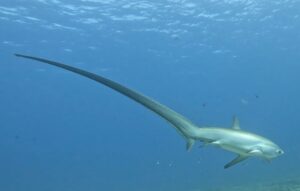
Photo from Evolution Diving
Which Destination Should You Choose?
Every destination on this list offers a completely different shark diving experience.
- Schools of hammerheads: Galápagos or Cocos
- Tiger sharks: Bahamas or South Africa
- Thresher sharks: Malapascua
- Thousands of reef sharks: Fakarava
- The greatest variety of shark species: Socorro or Palau
Whichever destination you choose, one thing quickly becomes clear: sharks are far more fascinating than frightening.
The more time you spend with them underwater, the more you’ll appreciate just how important they are to healthy oceans.
I’ve been fortunate enough to dive many of these locations, although (rather foolishly!) I didn’t always have a camera with me. Thankfully, we did film our dives in Fakarava, so be sure to check out the video below if you’d like to see what a true “wall of sharks” looks like.
Happy bubbles!