Managing the Invasive Lionfish by Catching and Cooking
A Fish That Doesn’t Belong
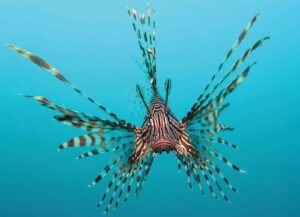
Few marine creatures are as striking as the lionfish. With their flowing fins, bold stripes and graceful movements, they are undoubtedly one of the ocean’s most beautiful fish. Unfortunately, in the Caribbean and western Atlantic, they are also one of the most destructive.
Native to the Indo-Pacific, lionfish were never naturally found in the Atlantic Ocean. The first recorded sighting off Florida occurred during the 1980s, with scientists believing they were introduced through the release of aquarium pets. Since then, their population has exploded.
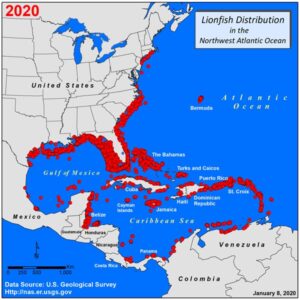
Today, invasive lionfish can be found from the east coast of North America, throughout the Caribbean, and as far south as Brazil. Without natural predators and with an incredible ability to reproduce, they have become one of the greatest threats to coral reef ecosystems.
Why Are Lionfish Such a Problem?
Lionfish are incredibly efficient predators.
Using their large pectoral fins, they slowly corner small reef fish before suddenly opening their mouths and creating a powerful suction that inhales their prey in a fraction of a second. They can consume fish over half their own size and often wipe out large numbers of juvenile reef fish in a single feeding session.
This has serious consequences for reef health.
Many of the fish lionfish consume are herbivores that help keep algae under control. As their numbers decline, algae can overgrow coral reefs, reducing biodiversity and making reefs less resilient to disease and climate change.
Meet the Lionfish
There are two commonly recognised invasive species in the Atlantic:
- Red Lionfish (Pterois volitans) – the most widespread and common species.
- Devil Firefish (Pterois miles) – less common but equally invasive.
Most lionfish grow between 30 and 38 cm (12–15 inches), although individuals in the Atlantic have grown considerably larger thanks to abundant food and virtually no predators. The largest recorded lionfish measured an impressive 49 cm (19.3 inches) off the coast of Brazil.
Their reproductive rate is astonishing.
In warm tropical waters, a female lionfish can spawn approximately every four days, releasing around 15,000 eggs each time. That means a single female can produce well over two million eggs every year.
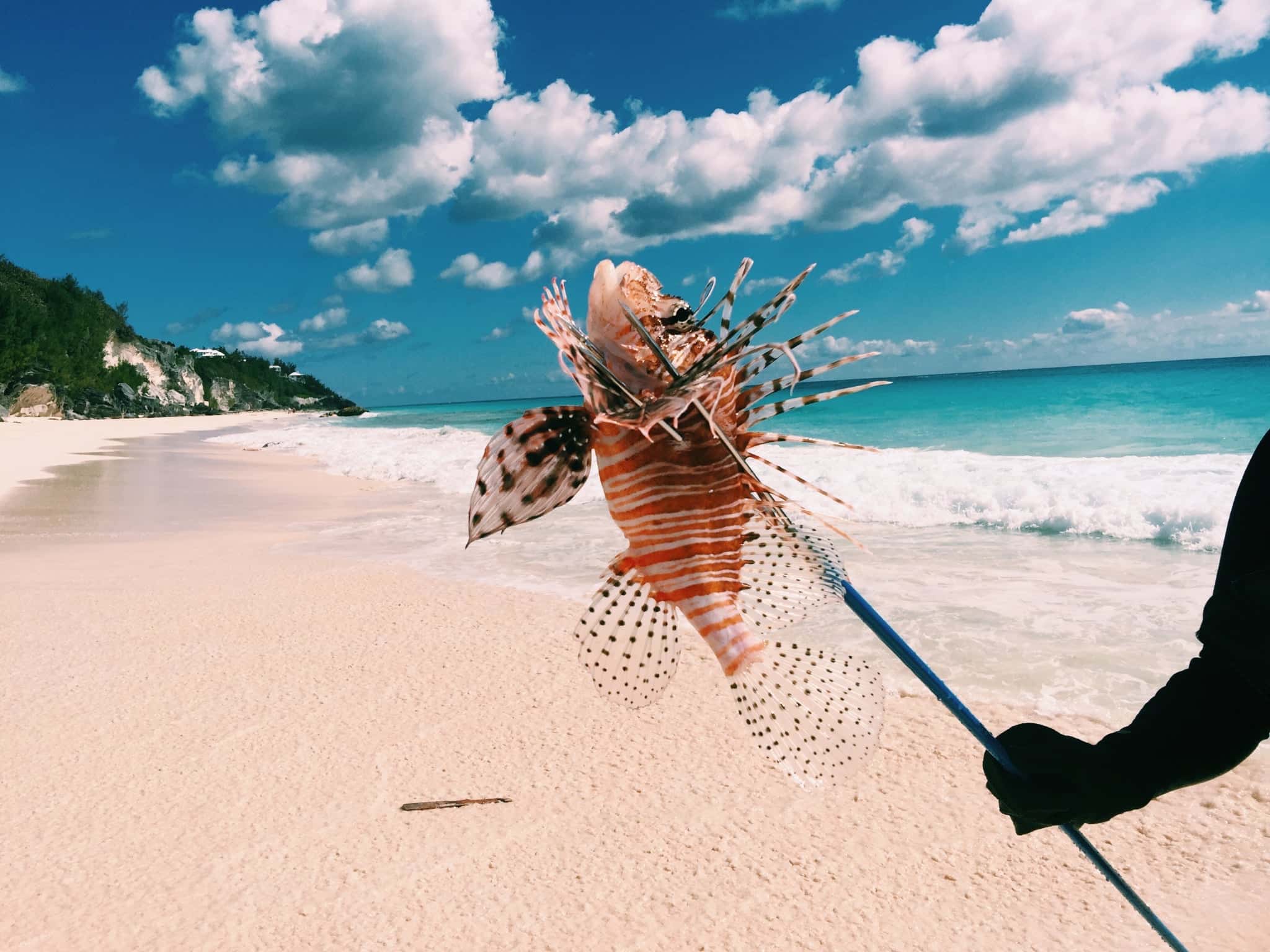
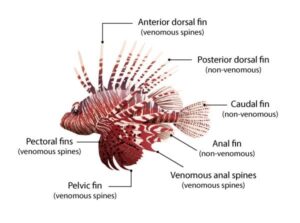
To make matters worse, lionfish are protected by 18 venomous spines, 13 along the dorsal fin, two pelvic spines and three anal spines, which discourage most predators from attacking them.
Can Lionfish Be Eradicated?
Unfortunately, complete eradication is no longer considered possible.
Instead, conservation efforts focus on reducing local populations through regular removals. Studies have shown that consistently removing lionfish from dive sites significantly reduces their numbers and allows native reef fish populations to recover.
How Divers Help
One of the most effective methods is spearing.
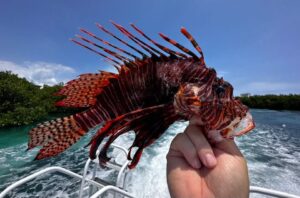
Lionfish tend to remain relatively stationary, allowing trained divers to approach closely before using a specialised three-pronged lionfish spear.
Many divers also carry a Zookeeper®, a rigid collection tube fitted with a one-way opening. Once speared, the lionfish is safely placed inside, allowing divers to continue hunting without handling the venomous fish directly.
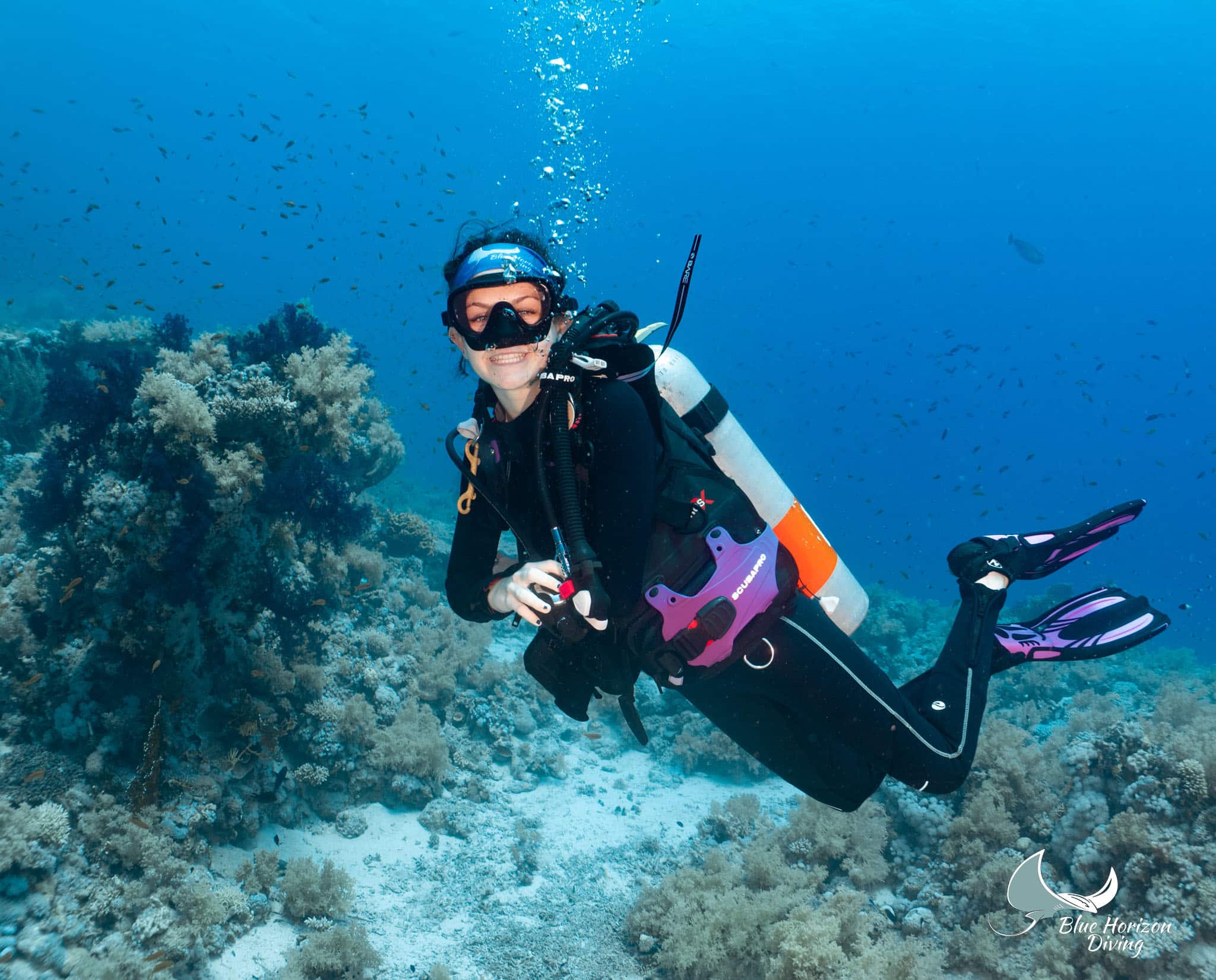
Because of the venomous spines, proper training is essential. Many Caribbean destinations now offer lionfish hunting courses and certification programs that teach safe handling techniques and responsible harvesting.
The Challenge of Deep-Water Lionfish
While recreational divers have made a significant impact on shallow reefs, lionfish are adapting.
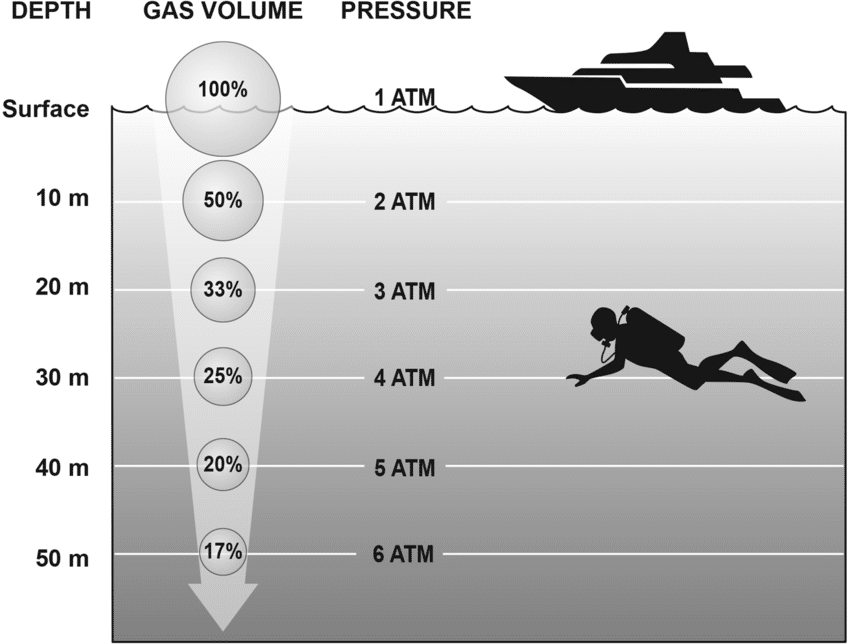
As populations are reduced in diver-accessible areas, increasing numbers are being found at depths beyond recreational diving limits.
Researchers using remotely operated vehicles have reported dense populations carpeting deep reefs off Florida and throughout the Caribbean. These deeper populations continually produce juveniles that migrate into shallower reefs, making long-term management an ongoing challenge.
New technologies, including specialised traps and underwater robotic systems, are being developed to target these deeper populations.
Do Lionfish Have Natural Predators?
Surprisingly, very few.
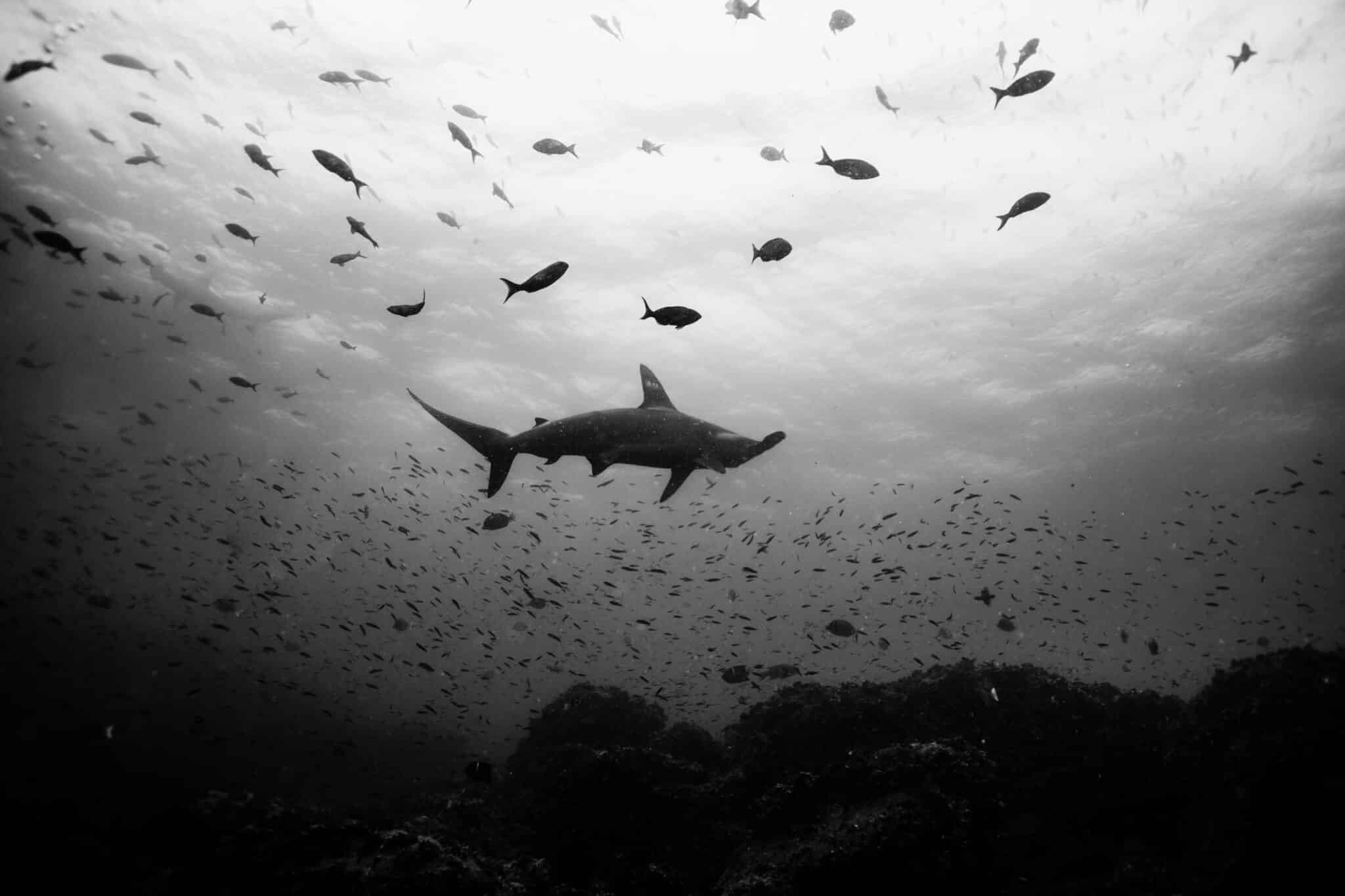
In their native Indo-Pacific range, large groupers, moray eels and sharks occasionally prey on lionfish. In the Atlantic, however, these predators generally do not recognise lionfish as food.
Some divers attempted to encourage natural predation by spearing lionfish and feeding them to sharks, moray eels and groupers. While this demonstrated that these animals would eat lionfish, it also created unintended problems.
In some areas:
- Moray eels became increasingly aggressive towards divers.
- Sharks began associating divers with food instead of hunting naturally.
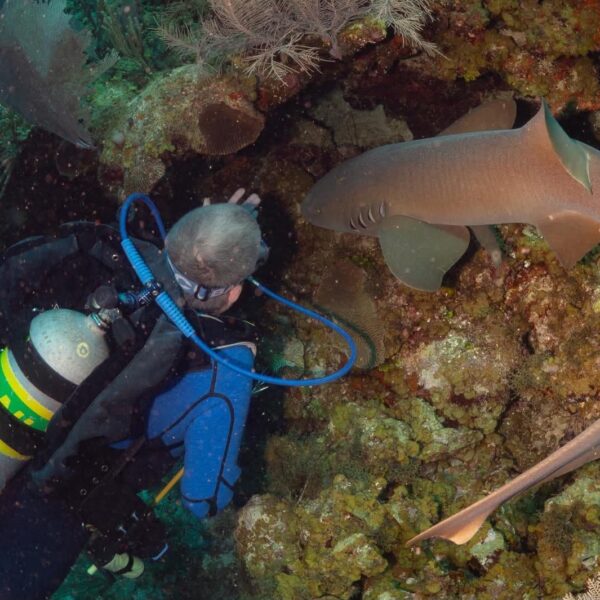
In Belize, for example, nurse sharks have been observed following lionfish hunters, waiting for divers to spear the fish before taking it directly from the spear. While fascinating, this behaviour is considered unnatural and is generally discouraged.
The Best Way to Fight Lionfish? Eat Them!
The good news is that lionfish are absolutely delicious.
Once the venomous spines are removed, the meat is completely safe to eat. It is firm, flaky, mild in flavour and comparable to snapper or grouper.
Many Caribbean islands now actively promote eating lionfish as a sustainable way to help protect reefs. Annual lionfish derbies encourage divers to remove as many fish as possible, with competitions for the largest, smallest and greatest number of lionfish harvested. These events often finish with community cook-offs showcasing creative lionfish recipes.
Before cooking, simply remove the venomous spines:
- 13 dorsal spines
- 2 pelvic spines
- 3 anal spines
After that, the fish can be filleted and prepared just like any other white fish.
Personally, my favourites are ceviche, fish tacos, pan-fried fillets and grilled lionfish on the barbecue.
Lionfish Ceviche
Ingredients
- 1 lb fresh lionfish fillets
- ¼ cup fresh lime juice
- ¼ cup fresh orange juice
- ¼ tsp black pepper
- ½ tsp salt
- ¼ red onion, finely diced
- ½ fresh jalapeño, finely diced
- 2 medium tomatoes, diced
- 1 avocado, cubed
- ¼ cup fresh cilantro, roughly chopped
- 2 tbsp extra virgin olive oil
Method
- Cut the lionfish into small cubes.
- Combine with the lime and orange juices and allow to marinate for 3–5 minutes.
- Add the onion, jalapeño, tomatoes and pepper, then gently toss.
- Leave for another five minutes.
- Add the salt, avocado, cilantro and olive oil.
- Stir gently and serve immediately.
I love serving it with hint of lime tortilla chips for an extra burst of citrus flavour.
For the original recipe, visit The Bermudian

Crispy Lionfish Tacos
Ingredients
- 2 lb cleaned lionfish fillets, cut into strips
- 2 cups all-purpose flour
- 3 eggs, beaten
- 3 tbsp cold water
- 2 cups fine panko breadcrumbs
- Salt and pepper
- Vegetable oil for frying
To Serve
- Purple cabbage, shredded
- Fresh cilantro
- Chopped chives
- Lime wedges
- Corn tortillas
- Salsa
- Cotija cheese (optional)
Method
- Coat the fish in flour.
- Dip into the beaten egg mixture.
- Coat thoroughly with seasoned panko breadcrumbs.
- Deep fry at 190°C (375°F) until golden brown.
- Drain on paper towels.
Serve family-style with warm tortillas and your favourite toppings. Everyone can build their own tacos just the way they like them.
If you’d like to access the full recipe click HERE

Every Lionfish Removed Makes a Difference
While lionfish aren’t going away any time soon, every fish removed from a reef gives native marine life a better chance to thrive.
For divers, lionfish hunting is a unique opportunity to combine adventure with conservation. Every dive becomes more than just exploration, it becomes a chance to actively protect the reefs we love.
And at the end of the day, you might even enjoy one of the tastiest seafood meals you’ll ever have.
So next time you’re diving in the Caribbean, ask your dive operator if they offer lionfish hunting or conservation dives. It’s one of the few times when catching dinner is genuinely helping the ocean.