Diving Mozambique: Tofo vs Ponta do Ouro
Our next stop on our travels took us to Mozambique, one of East Africa’s most renowned diving destinations. Known for its healthy reefs, abundant marine life, and famous megafauna encounters, Mozambique has long been on the bucket list for divers around the world.
We were headed to two of the country’s best-known dive destinations; Tofo and Ponta do Ouro, to see for ourselves what life beneath the surface was really like. But first, we had to get into the country.
Arriving in Mozambique
Mozambique requires visas for many nationalities, including travellers from the UK and USA. I’d highly recommend completing the visa application in advance, as it makes the arrival process at the airport much smoother.
The country’s main international airport is in Maputo, although there are several smaller airports spread throughout Mozambique. Our itinerary included one night in Maputo before flying north to Tofo, where we would spend three weeks diving. After that, we collected our luggage and made the journey south to Ponta do Ouro for a few final days of underwater exploration.
Tofo
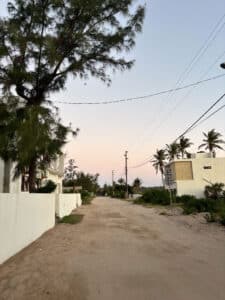
Tofo is a tiny beach town built almost entirely on sand. The roads are sandy tracks, there is only one very small supermarket, and life revolves around the ocean.
The town is best known for its whale sharks and manta rays, which historically attracted divers from all over the world. These iconic species are the main reason many visitors choose Tofo, and they were certainly the reason we came.
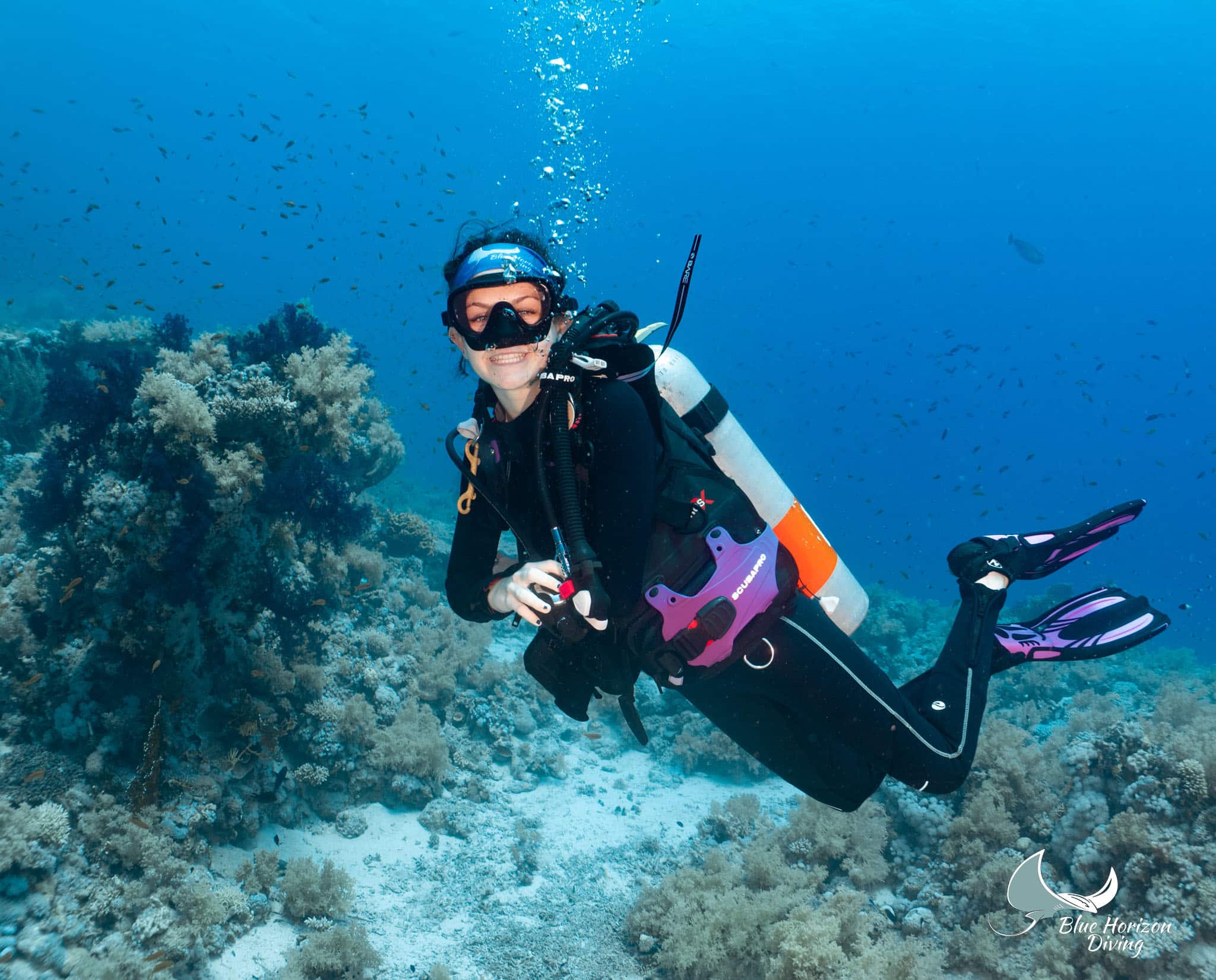
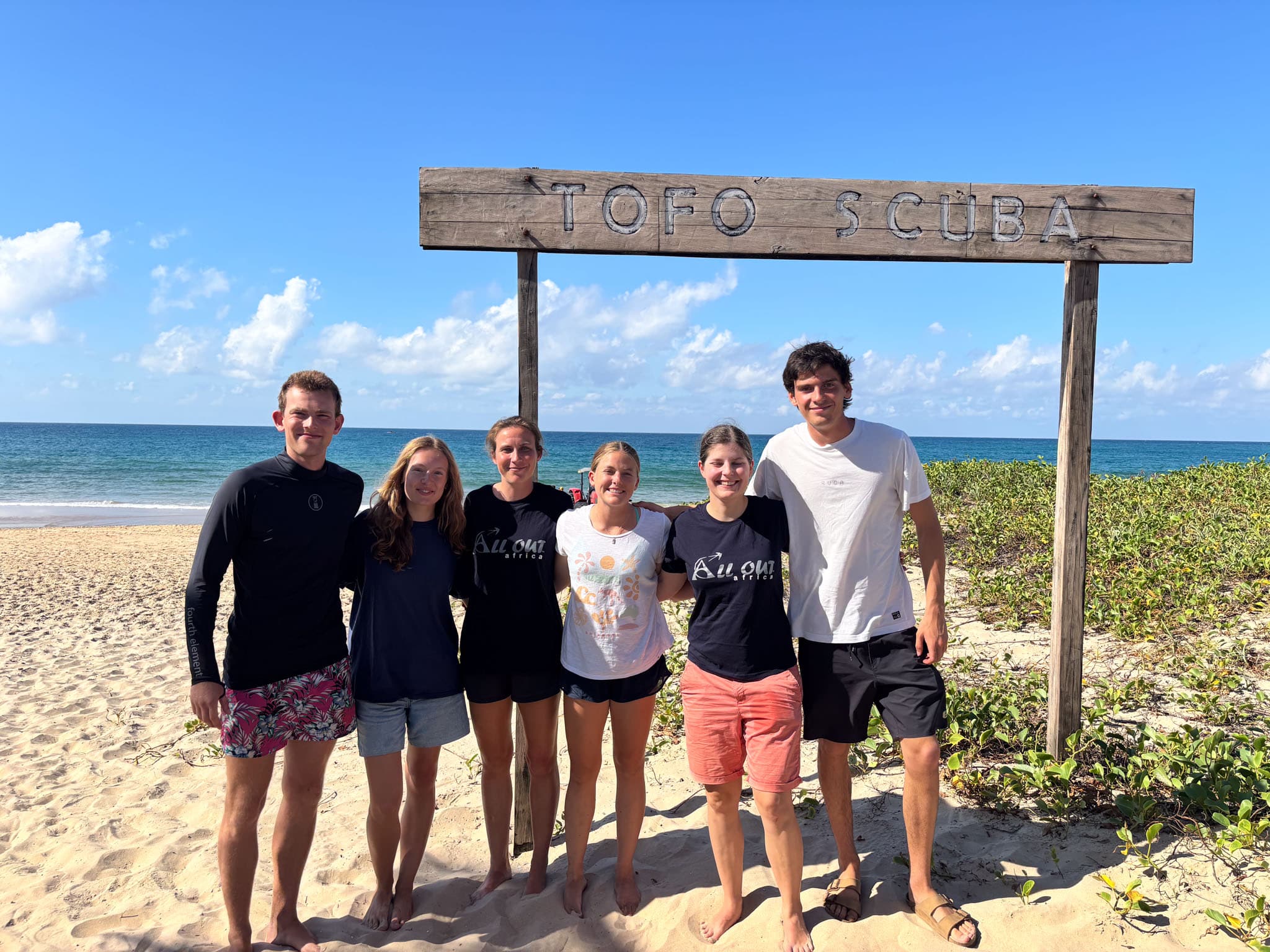
During our stay, we completed 20 dives between two operators: Tofo Scuba and Liquid Dive Adventures.
One thing that immediately stood out was the way diving is conducted. All dive centres launch directly from the beach using small rigid inflatable boats (RIBs). Divers bring only the essentials aboard before the boats power through the surf and head out to nearby dive sites.
Unlike many dive destinations around the world, double-tank dives in Tofo are often both deep dives, frequently reaching depths of 30 metres. The deeper sites provide the best chance of encountering larger marine life, so operators prioritise them over shallower reefs.
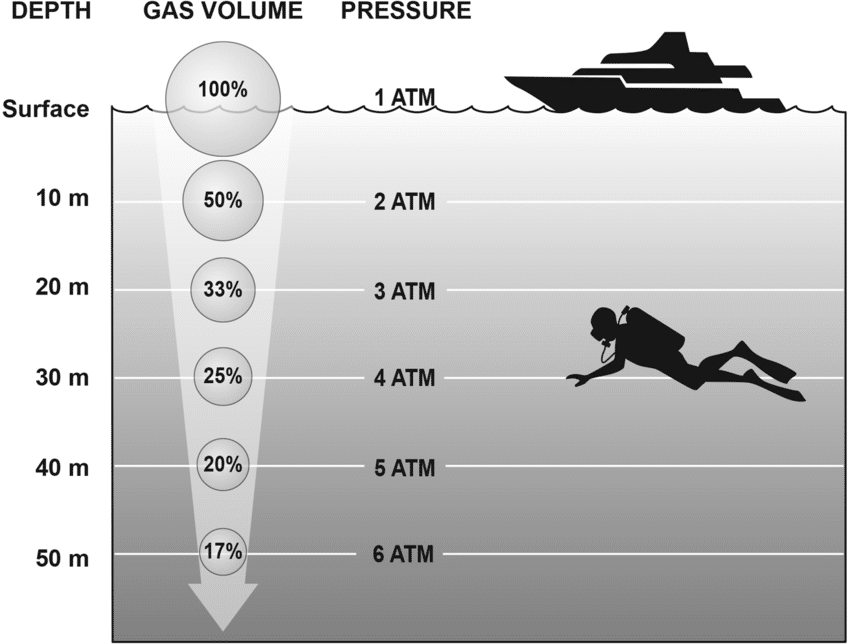
Because of this, I’d strongly recommend diving with Nitrox if possible. Diving on air gives very limited bottom time at these depths before your no-decompression limits begin to shorten your dive. Nitrox is available but comes at an additional cost. Interestingly, it is charged per week rather than per tank. There are also extra fees for dive computer rental, which is not considered essential equipment, and for more distant dive sites due to fuel shortages in the area.
Unfortunately, we learned that Tofo’s famous megafauna sightings are not what they once were. Since 2013, whale shark sightings have declined by approximately 93%, while manta ray sightings have fallen by around 88%.
The impact of these declines was clear during our visit. Across three weeks of diving between the three of us, we saw only a single manta ray and no whale sharks at all.
It’s a disappointing reality for a destination once famous for these encounters, although there is hope for the future as both species are now protected in the region.
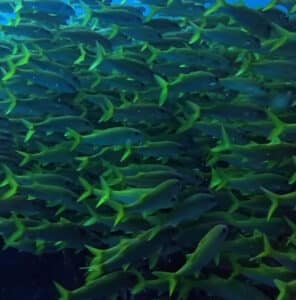
Thankfully, the diving still delivered plenty of memorable wildlife encounters. We saw bowmouth guitarfish, dolphins, leopard sharks, devil rays, reef sharks, and huge schools of fish throughout our dives.
Most dives are drift dives with some current, although we rarely found ourselves battling strong water movement. I’d recommend being at least an Advanced Open Water diver when visiting Tofo, as many of the most interesting sites are beyond recreational depth limits for newly certified divers.
Ponta do Ouro
After Tofo, we headed south to Ponta do Ouro, a coastal town located just 3 kilometres from the South African border.
Like Tofo, it is a laid-back beach town, but it feels slightly larger and more developed. While Tofo is known for whale sharks and mantas, Ponta do Ouro has built its reputation around shark diving and is considered one of the best places in Africa to encounter sharks underwater.
We completed two dives with Gozo Azul during our short stay.
The first dive was a deep offshore site famous for attracting large numbers of sharks during peak shark season. We visited right at the end of the season, so our expectations were fairly modest.
The dive took place entirely in the blue water, drifting at around 20 metres while the guides used a reflective CD and a crushed bottle to attract curious sharks.
One thing that immediately stood out was the visibility, it was easily ten times better than what we experienced in Tofo.
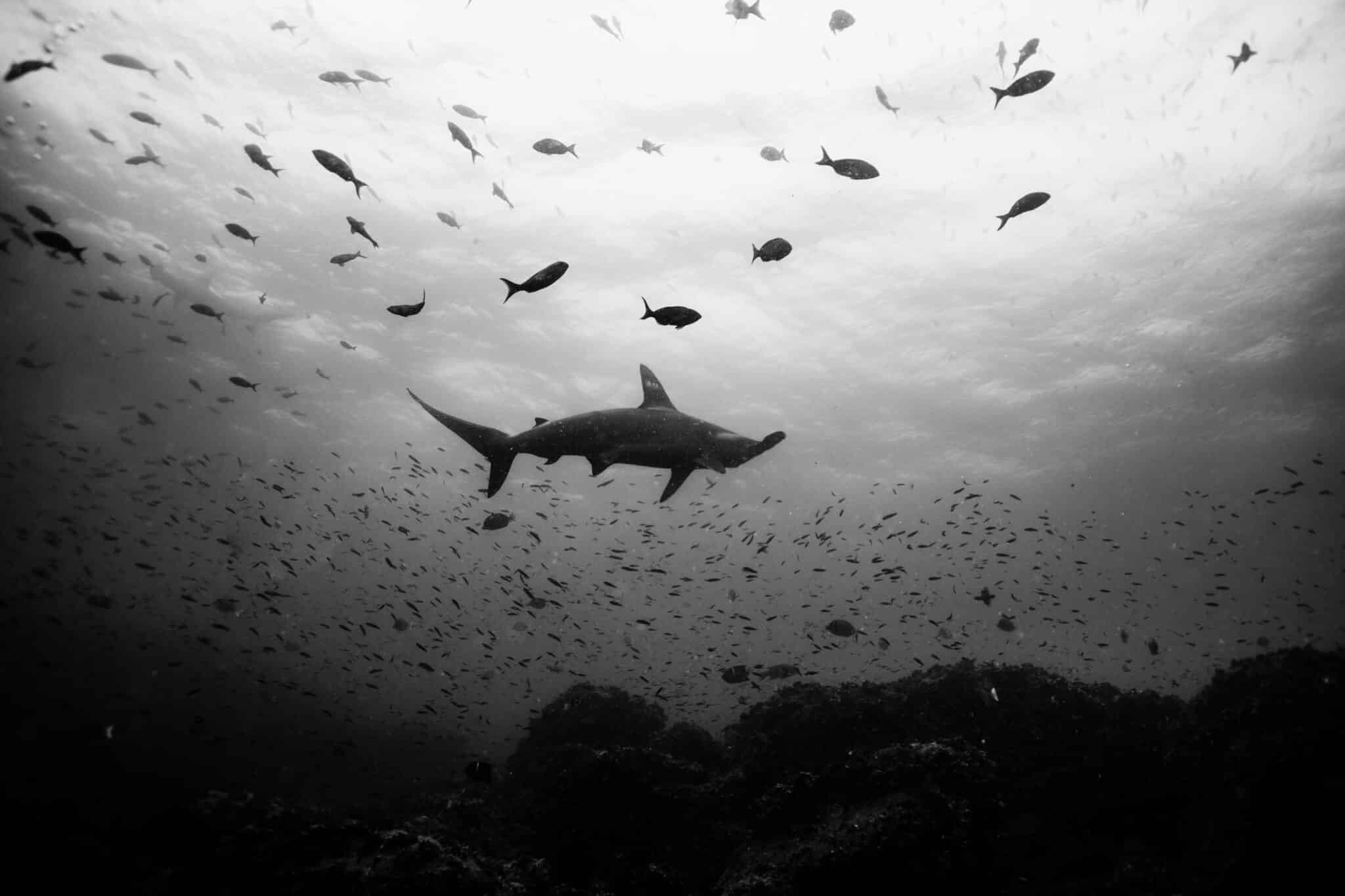
Just a few minutes into the dive, a large bull shark cruised past. It wasn’t particularly interested in us but seemed completely comfortable sharing the water. Shortly afterwards, we encountered a large hammerhead shark, a leopard shark, several enormous rays, and huge schools of fish.
Even outside of peak season, it was an incredible dive. I can only imagine how spectacular it must be when shark numbers are at their highest.
Unlike Tofo, boats in Ponta do Ouro generally don’t conduct double dives. After the first dive, we returned to shore, giving us enough time to enjoy a hot chocolate and sandwich at the café above the dive centre before heading back out.
Our second dive was a shallow reef dive where we encountered turtles, sharks, rays, and plenty of reef life.
Ponta do Ouro is also home to a remarkable dolphin population, with around 250 resident dolphins living in the area. Several operators offer snorkelling trips with the dolphins, although unfortunately we didn’t have time to experience one ourselves.
Tofo or Ponta do Ouro?
I genuinely enjoyed both destinations, but they offer very different experiences.
Tofo is certainly easier to reach, requiring only a short domestic flight from Maputo. Ponta do Ouro, on the other hand, involves a three-hour drive south, complete with toll roads and numerous police checkpoints.
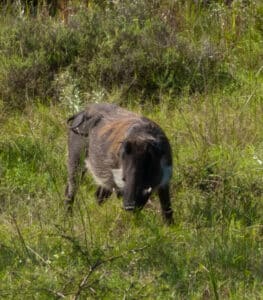
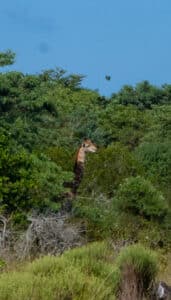
That said, the drive itself was surprisingly rewarding. It passes through Maputo National Park, where we spotted giraffes, warthogs, and other wildlife along the way.
The food in Tofo was outstanding. I’d highly recommend Suri Japanese Restaurant, Rio’s Café, and Matacucha Burgers.
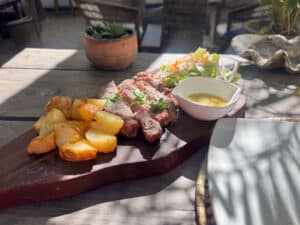
The food in Ponta do Ouro didn’t stand out quite as much, although I did buy a pineapple from a local market that was genuinely the best pineapple I’ve ever eaten.
When it comes to diving, both destinations have plenty to offer, but if I had to choose just one, I’d pick Ponta do Ouro.
That may simply reflect the current decline in megafauna sightings around Tofo and the abundance of sharks we encountered in Ponta do Ouro. Looking back, I think splitting the trip evenly between the two locations, around a week and a half in each, would be the perfect balance.
Safety in Mozambique
Mozambique is generally a welcoming country, but it’s important to stay aware of your surroundings.
Like many tourist destinations, opportunistic theft can occur, and you’ll often encounter people trying to sell you everything imaginable. Keep valuables secure, stay sensible with your belongings, and be prepared for a culture where negotiating prices is common practice.
Tourists are sometimes quoted inflated prices, particularly at markets, so don’t be afraid to negotiate respectfully.
Both Tofo and Ponta do Ouro felt very safe throughout our stay. Maputo felt slightly more intimidating at first, but we never experienced any problems anywhere in the country.
In fact, we found Mozambicans to be incredibly kind, welcoming, and accommodating throughout our travels.
Despite not seeing the whale sharks we had hoped for, Mozambique remains a fantastic diving destination. Between the sharks, rays, reefs, dolphins, and beautiful coastline, it offers a truly unique underwater experience, one I’d happily recommend to any diver!