Diving in Panama: What to Know Before You Go
In April 2026, Mark and I were supposed to be heading to Mozambique. But with travel routes through the Middle East becoming increasingly difficult, we decided to take the long way around. Our route became: Bermuda → New York → Panama → São Paulo → South Africa → Mozambique.
On one ticket, that itinerary sounded brutal; endless flights, exhausting layovers, and time zones that made no sense. But while researching alternatives, we stumbled across the Copa Airlines Panama Stopover program, which allows you to extend your layover in Panama for several days at no extra airfare cost.
Instead of dreading the journey, we suddenly had the opportunity to turn it into an adventure. We decided to spend seven days in Panama doing as much diving as possible, split between the Pacific and Caribbean coasts.
Here’s everything we learned along the way.
1. Check Yellow Fever Requirements Before You Travel
Panama is considered a yellow fever country. If you are continuing onward to another country that requires proof of vaccination after transiting through yellow fever zones, make sure you get vaccinated at least 10 days before travel.
This is especially important if Panama is only one stop on a longer international itinerary, as it was for us.

2. Diving the Pacific Side Requires Serious Travel Time
Most of the famous Pacific diving in Panama is based out of Santa Catalina, and getting there takes commitment.
- By bus: expect 10–12 hours of travel
- By car: around 6–7 hours, depending on traffic and stops
Driving at night is generally not recommended, especially for tourists unfamiliar with the roads.
One thing we learned quickly: almost everyone in Panama uses Waze instead of Google Maps. Waze is considered more reliable for navigation and can help steer you away from less safe areas.
The journey is long, but the Pacific diving is absolutely worth it.
3. WhatsApp Is Essential
Many Airbnbs and local businesses in Panama operate primarily through WhatsApp. Accommodation can sometimes be difficult to locate, especially in smaller towns like Santa Catalina, so having mobile data that works in Panama makes life much easier.
More than once, we needed directions from hosts just to find the property.
If you’re travelling internationally, it’s worth checking that your phone plan includes Panama or purchasing an eSIM before arrival.

4. Triple Dives Are Common on the Pacific Side
Many dive operators advertise “double dives,” but in reality the boats often stay out for three dives.
That means you usually have two options:
- Pay for the third dive
- Stay on the boat during the final dive
Because the sites are so far offshore, boats generally cannot return early between dives.
5. Coiba Island Is Famous for a Reason
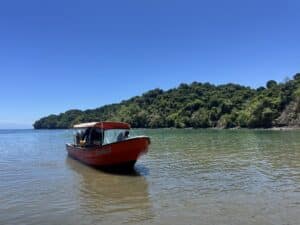
Coiba Island is the best-known dive destination on Panama’s Pacific coast, and it absolutely lived up to the hype.
During our dives we saw:
- Bull sharks
- Sea turtles
- Octopus
- Huge schools of fish
- Endless marine life moving through the currents
The diving here is thrilling, but conditions can be challenging. Many pelagic species are drawn into the area by strong currents, which can also create sudden temperature drops and difficult entries.
A few things we’d recommend:
- Dress for the coldest possible water temperature, not the warmest
- Bring appropriate exposure protection
- Be honest with your dive guide about your comfort level in currents
This is adventure diving, not lazy tropical drifting.
6. Contreras Islands Might Be Even Better
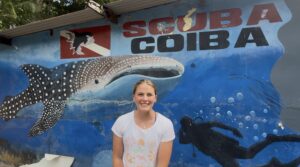
While Coiba gets most of the attention, the Contreras Islands ended up being some of our favourite diving in Panama.
Think:
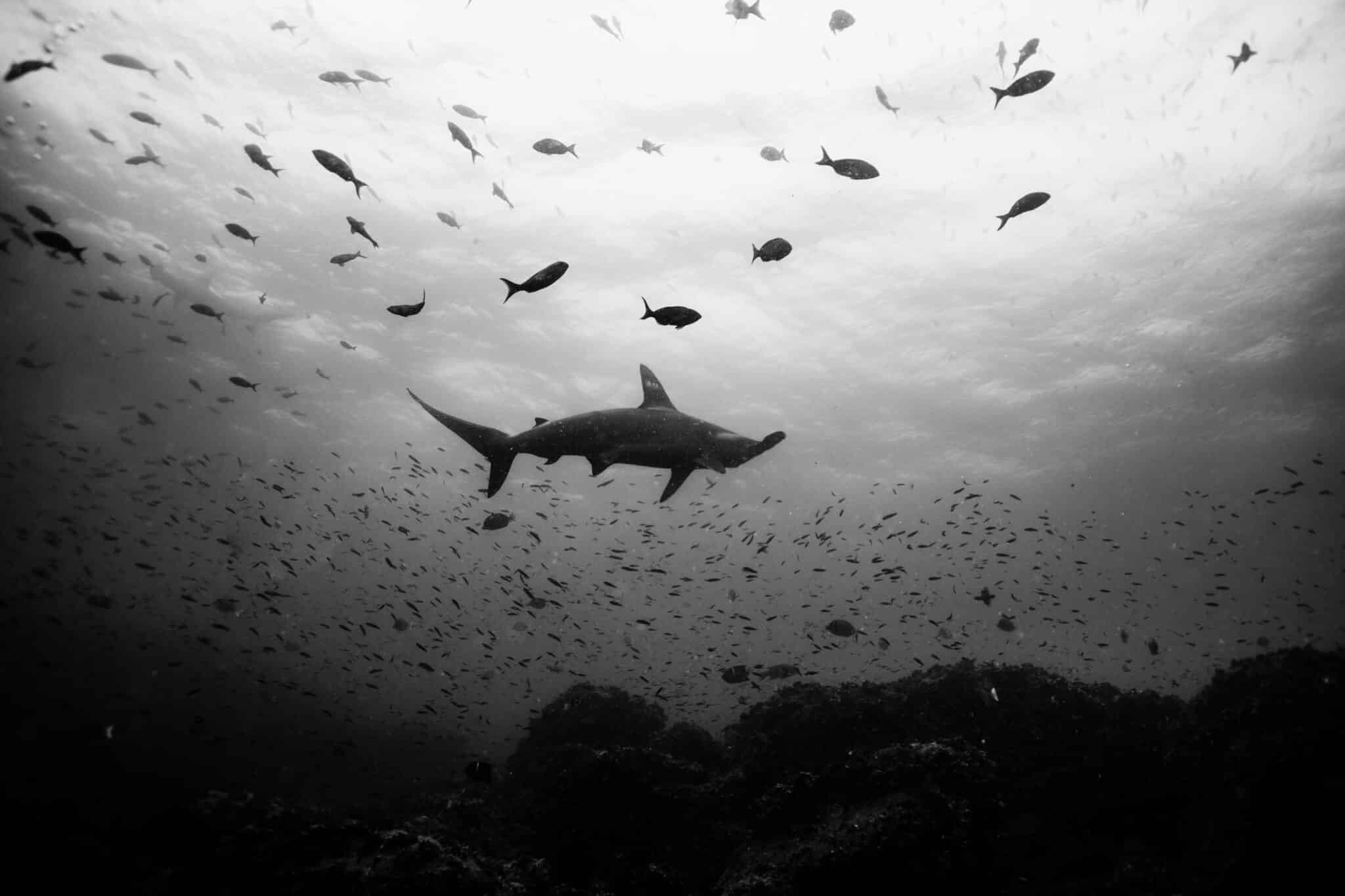
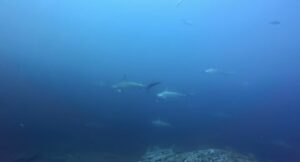
- Schooling hammerheads
- White-tip reef sharks
- Massive barracuda schools
The sites are farther offshore, so the days are longer — roughly 7am to 4pm — but the experience was incredible.
Most operators provide food, and surface intervals are often spent relaxing on nearby islands.
If you’re comfortable with more advanced diving conditions, Contreras is absolutely worth the extra time.
7. Caribbean Diving Is Easier — and More Relaxing
The Caribbean side of Panama is very different from the Pacific.
The marine life is less dramatic, but the diving itself is significantly easier:
- Calm surface conditions
- Short boat rides
- Relaxed schedules
- Back by lunchtime
Most operators offer standard double dives rather than triple-dive days.
We stayed and dived out of Portobelo, about two hours from Panama City airport, and absolutely loved it. The town had a much more relaxed atmosphere, and the diving operation felt extremely organized and comfortable.
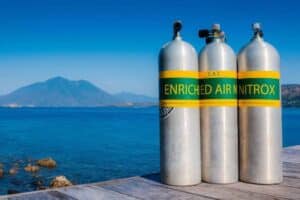
8. Nitrox Makes a Huge Difference on the Pacific Side
If you’re certified for Nitrox, it’s highly worthwhile on the Pacific coast.
Many Pacific dives are:
- Deeper
- Longer
- More repetitive over consecutive days
Nitrox gave us noticeably better surface intervals and helped reduce fatigue. On the Caribbean side, where dives were generally shallower and easier, we found it much less necessary.
Final Thoughts
Overall, diving in Panama was fantastic.
The Pacific coast felt wild, remote, and adventurous, the kind of diving that leaves you exhausted in the best possible way. Santa Catalina itself was a bit rough around the edges, and accommodation options were more limited than we expected, but the diving more than made up for it.
Portobelo, on the Caribbean side, offered the complete opposite experience: comfortable boats, relaxed diving, excellent organization, and significantly lower costs.
We originally chose Portobelo simply because it was close to the airport, but it ended up being one of our favourite parts of the trip.
If you’re considering a Panama stopover, especially through Copa Airlines, adding a week of diving is an incredible way to break up a long-haul journey. Just be prepared: Panama offers two completely different diving experiences — and both are worth seeing.