How to Travel with Scuba Equipment Without Blowing Your Baggage Allowance
Scuba diving and travel go hand in hand. Airlines, however, don’t always seem to agree.
Most airlines limit checked baggage to 23kg, charge hefty fees for additional bags, and rarely consider scuba gear to be “specialised sporting equipment.” While there are a few exceptions, some airlines are fantastic and offer a little extra allowance, those are becoming increasingly rare. With self-service bag drops and automated check-in systems, even being 0.1kg overweight can result in an expensive surprise.
After years of travelling with dive gear around the world, I’ve developed a packing system that allows me to bring almost everything I need without exceeding the weight limit. Here’s how I do it.
The Dive Equipment I Travel With
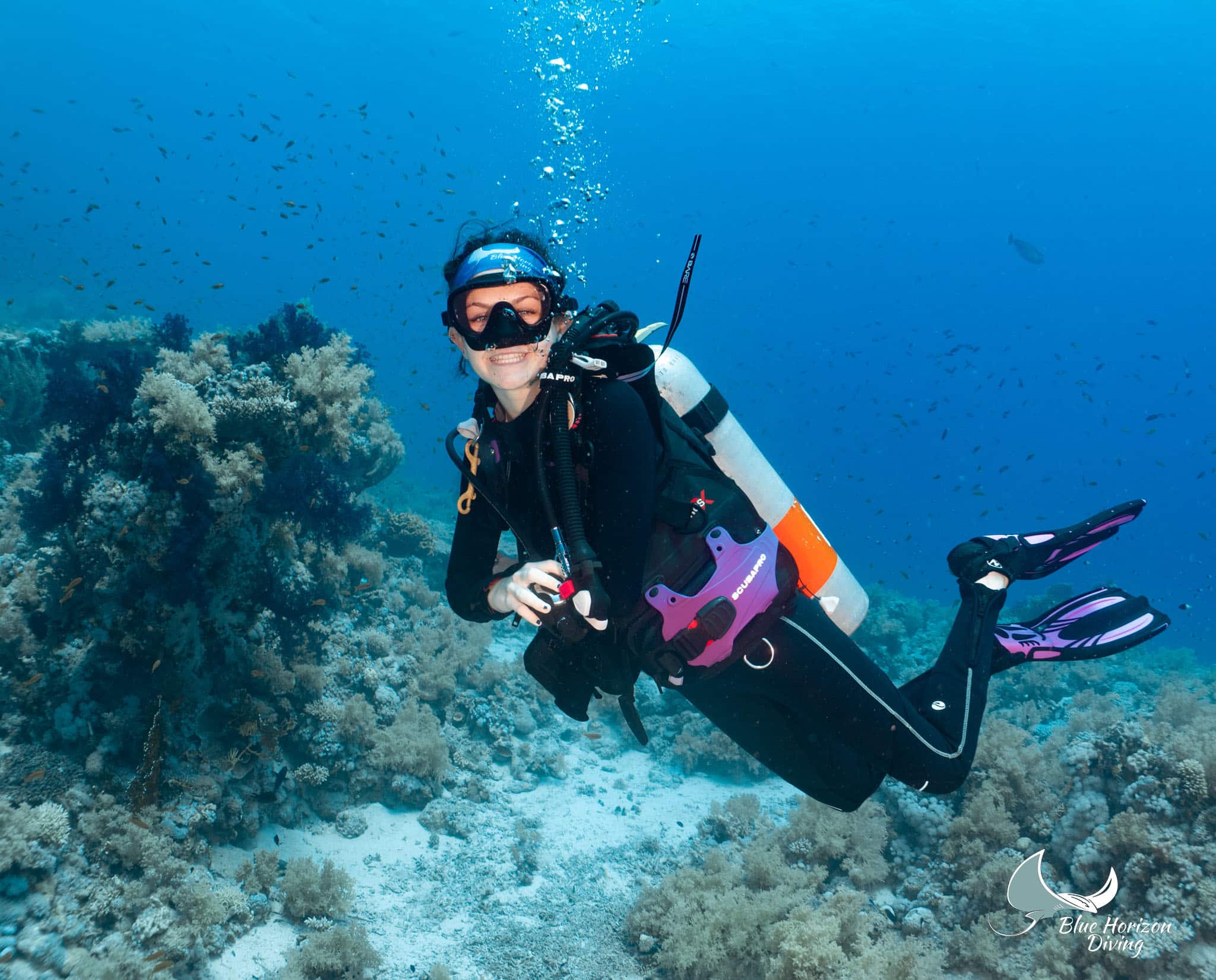
I travel with around 99% of my own equipment, only renting when absolutely necessary. I know my gear inside out, it’s comfortable, fits perfectly, and I know exactly how much weight I need with it. After investing in quality equipment, I want to use it.
My standard travel kit includes:
- Scubapro Hydros Pro BCD
- Apeks Ocea regulators
- Scubapro Synergy Twin 2 mask
- Mares Avanti Quattro fins
- Fourth Element 5mm wetsuit
- Sharkskin full-length top
- Mares 3mm boots
- SMB, reel, compass and DIN adaptor
For most tropical dive trips, this setup weighs around 16-18kg, leaving just 5-7kg for everything else. That means packing efficiently becomes essential.

Pack Less Than You Think You Need
If you’re heading somewhere warm, resist the temptation to overpack clothing. Realistically, you’ll spend most of your time in swimwear, a wetsuit or drying off between dives.
For a typical tropical dive trip, I pack:
- Three moisture-wicking t-shirts
- Two pairs of shorts
- Two swimsuits
- Underwear
That’s it.
Diving isn’t a fashion show. Comfort and practicality matter far more than having a different outfit for every evening.
When travelling through countries where modest clothing is appreciated, such as many Muslim-majority destinations, I simply swap one pair of shorts for lightweight trousers and replace one t-shirt with a long-sleeved running top. It’s an easy way to stay comfortable while being respectful of local customs.
Footwear is equally simple. I’m a runner, so I pack one pair of running shoes and wear flip-flops or Crocs while travelling.
As for toiletries, leave the full-sized bottles at home. Shampoo, conditioner and other essentials can easily be bought locally, saving both space and weight.
Packing for Cold Water Diving
Cold water trips require significantly more equipment, including:
- A drysuit (instead of a wetsuit)
- Undersuits
- Hood
- Gloves
- Warm clothing for after diving
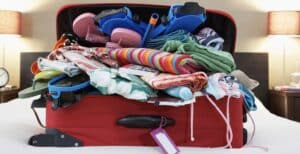
This extra gear quickly fills your suitcase, so I make use of my cabin baggage allowance.
Most airlines allow one carry-on bag plus a personal item. I pack a hoodie and sweatpants in my backpack, which keeps me warm during the flight and doubles as comfortable clothing after diving.
I also remove my regulators from my checked luggage and carry them onboard as my personal item. Regulators weigh around 1.5kg, so moving them into my hand luggage frees up valuable weight in my checked bag for the bulkier cold-water gear.
What I Always Carry On
Checked bags occasionally go missing, so I never pack everything important.
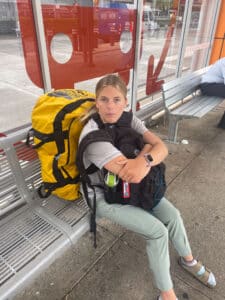
My carry-on always includes:
- Dive computer
- Swimsuit
- Contact lenses
- Spare t-shirt
If my checked luggage is delayed for a day or two, I can simply rent the remaining equipment and still get in the water.
Choosing the Right Bag
People often ask what the best dive travel bag is.
The truth is, it doesn’t really matter.
Whether you choose a rolling suitcase, duffel bag or hard case, the important thing is that it protects your equipment and keeps the overall bag weight low.
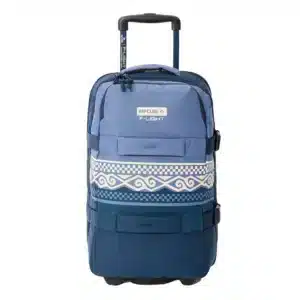
I currently use a Rip Curl clamshell suitcase. One side is dedicated entirely to dive gear, while the other holds my clothes and travel essentials. The bag itself weighs only 3.5kg, leaving more of my allowance available for equipment.
If you’re travelling with a duffel bag, use your clothing to protect delicate items. Wrap regulators in t-shirts or your wetsuit and use socks or soft clothing around your mask to prevent damage.
My Favourite Dive Travel Packing Hacks
Over the years I’ve picked up a few tricks that make travelling with dive gear much easier:
- Empty all the water from your BCD before packing.
- Don’t have a mask case? Wrap your mask in a sock and place it inside a fin foot pocket or BCD weight pocket for protection.
- Double-ender clips weigh more than you’d expect—only bring what you’ll actually use.
- Always pack a lightweight rain jacket. It comes in handy far more often than you’d think.
- If you normally dive with a steel backplate, consider switching to an aluminium backplate when travelling to save valuable weight.
Final Thoughts
Everyone develops their own packing system over time, and what works for me may not be perfect for someone else. But after years of dive travel, these tips have helped me consistently stay within airline baggage limits while still diving with the equipment I know and trust.
The key is simple: pack smart, prioritise the gear that matters, and remember that almost everything else can be bought or rented if you really need it.
The less time you spend worrying about your luggage, the more time you can spend enjoying what you travelled for: the diving.